في عصر الحوسبة عالية الكثافة، يتم استبدال أنظمة التبريد الهوائي التقليدية بسرعة بهياكل تبريد سائلة متطورة. ويكمن جوهر هذا التحول في وحدة توزيع التبريد في مركز البيانات (CDU) - وهي مكون نظام بالغ الأهمية مسؤول عن التوصيل الدقيق والتحكم في سائل التبريد في جميع أنحاء بنية الخوادم.
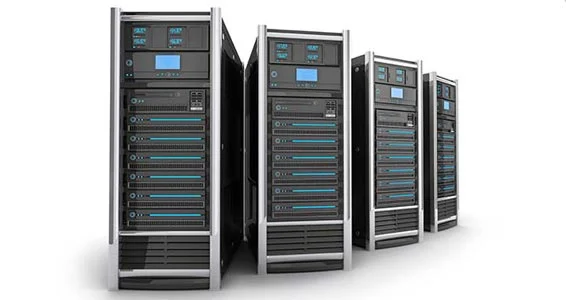
التعريف: ما هي وحدة توزيع التبريد في مركز البيانات (cdu)؟
وحدة توزيع التبريد (CDU) هي جهاز التوزيع المركزي في مراكز البيانات المبردة بالسوائل، حيث تقوم بتوصيل سائل التبريد - سواء كان ماءً أو سوائل مفلورة - إلى الألواح الباردة، أو خزانات التبريد بالغمر، أو وحدات التبريد المائي المباشر للرقائق. تضمن وحدة توزيع التبريد إزالة الحرارة بشكل دقيق على مستوى الرقاقة أو مستوى الرف، مما يعزز الكفاءة الحرارية والموثوقية في مراكز البيانات الحديثة.
الوظائف الرئيسية لأنظمة وحدة توزيع الطاقة
توزيع سائل التبريد: يتحكم في التدفق باستخدام المضخات والصمامات لضمان تبريد متوازن لكل خادم.
التحكم في درجة الحرارة والضغط: يحافظ على درجة حرارة سائل التبريد ضمن نطاق تحمل ضيق (±0.5 درجة مئوية) ويضمن ضغطًا مستقرًا لمنع التكهف أو التسرب.
تصميم التكرار: يستخدم تكوينات المضخة المزدوجة والطاقة المزدوجة لضمان توافر بنسبة 99.999%.
المراقبة في الوقت الحقيقي: تتكامل مع أنظمة إدارة مركز البيانات لتوفير معلومات مباشرة حول معدلات التدفق ودرجات الحرارة وحالة التسرب.
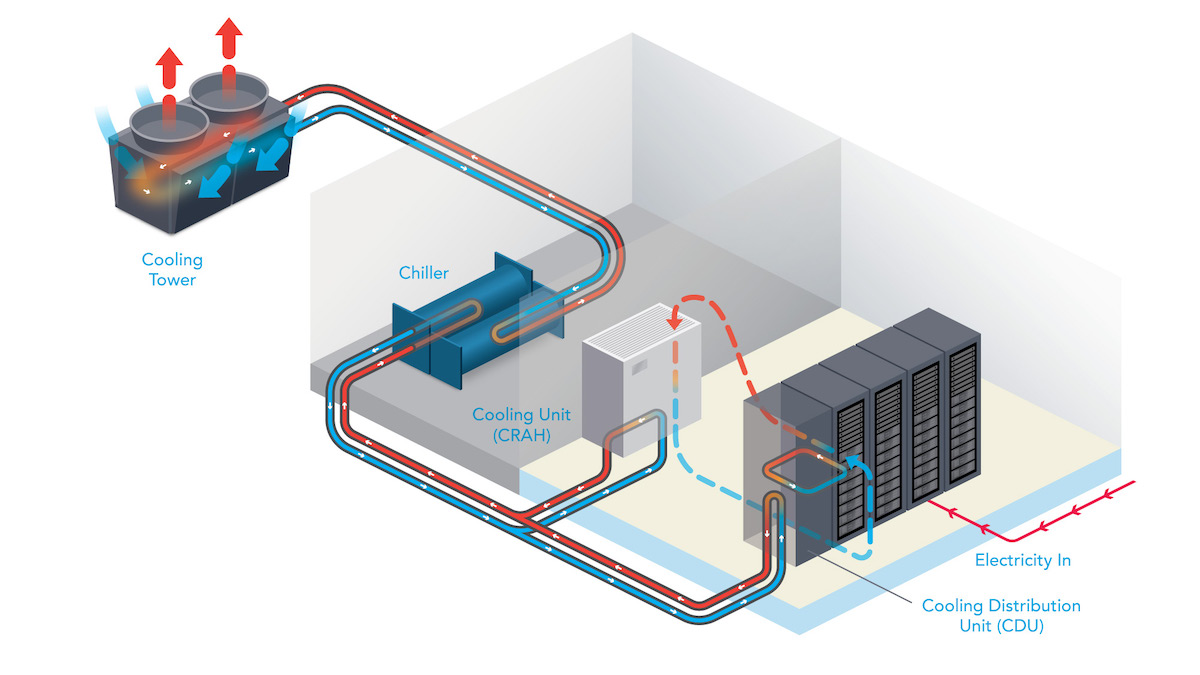
أنواع وحدات توزيع التبريد في مراكز البيانات
وحدة تبريد على مستوى الرف: مصممة للاستخدام في خزانة واحدة، وتدعم قدرة تبريد تتراوح بين 30 و100 كيلوواط. مثالية لعمليات النشر القابلة للتوسع والمرنة.
وحدة توزيع الطاقة على مستوى الصف: تخدم صفًا كاملاً من رفوف الخوادم مع دعم طاقة يصل إلى 500 كيلوواط، وهي مثالية لمجموعات الحوسبة عالية الكثافة.
وحدة التبريد بالغمر: مصممة خصيصًا لأنظمة التبريد بالغمر أحادية الطور أو ثنائية الطور، ومتوافقة مع السوائل المفلورة مثل 3m novec.
مزايا أنظمة التبريد السائل لوحدات التحكم في درجة الحرارة
يحقق فعالية استخدام الطاقة (pue) منخفضة تصل إلى 1.05، مما يوفر أكثر من 30٪ من الطاقة مقارنة بالتبريد الهوائي.
يدعم أحمال العمل فائقة الكثافة (على سبيل المثال، 50 كيلوواط أو أكثر لكل رف لخوادم الذكاء الاصطناعي أو وحدات معالجة الرسومات).
يعمل بصمت مع تصميمات وحدات توزيع الطاقة بدون مراوح (<50db noise level).
application scenarios
supercomputing facilities (e.g., japan's fugaku)
ai training clusters (e.g., nvidia dgx a100)
edge data centers with compact cdu footprints
cold plates, heat sinks, and water blocks: the execution layer of cdu cooling
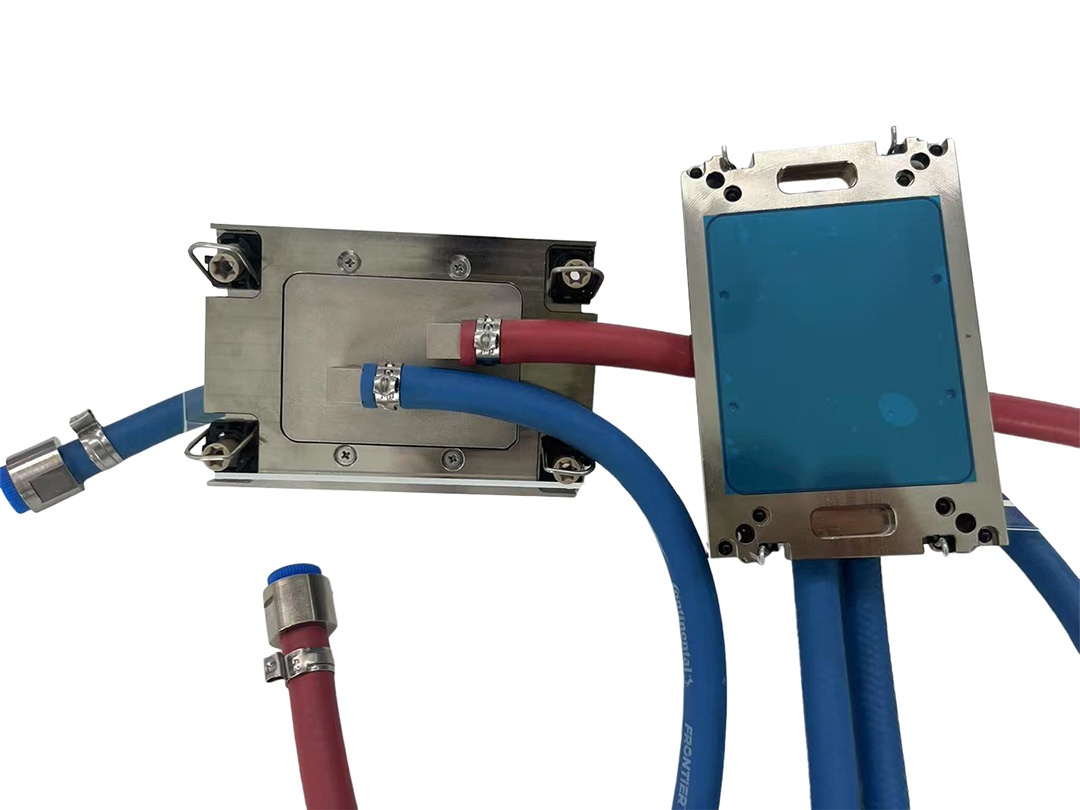
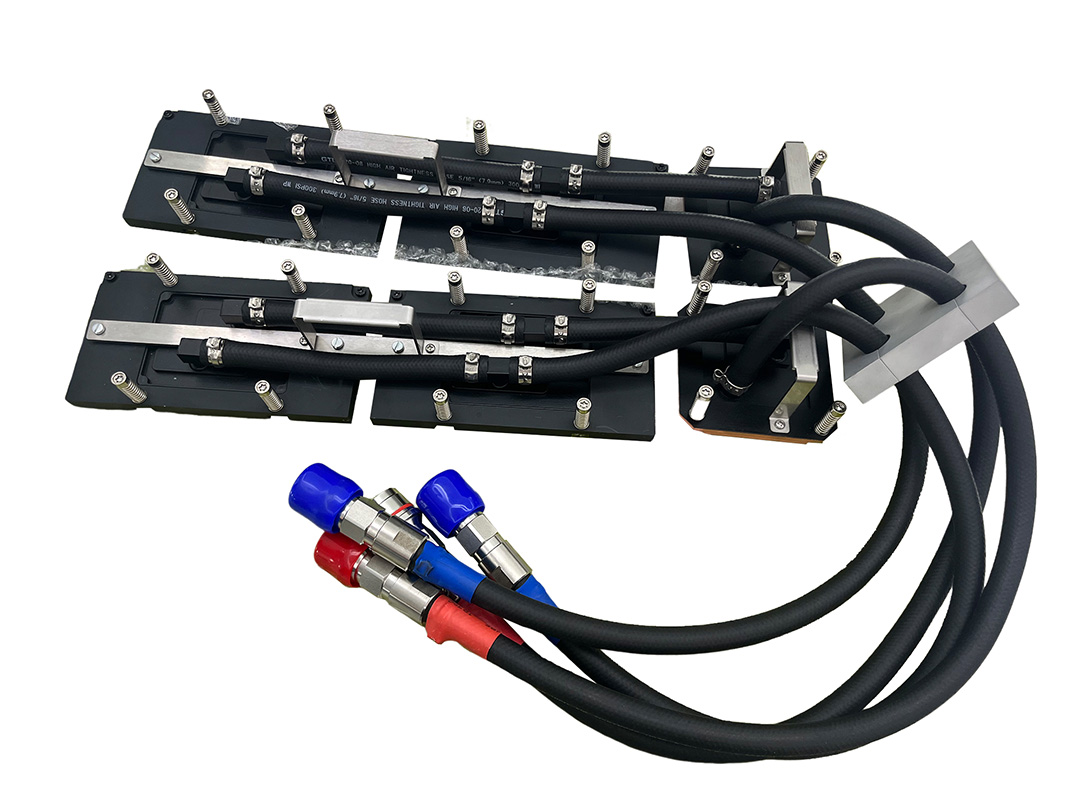
while the cdu serves as the command center for liquid flow, its true cooling potential is realized through its terminal components: cdu water-cooled cold plates, heat sinks, and water blocks. these components directly interface with heat-generating devices to execute efficient thermal transfer.
| component | cdu system role | application |
|---|
| cold plate | transfers coolant to chips via microchannels for precise heat removal | gpu/cpu-intensive racks, ai compute nodes |
| heat sink | provides secondary cooling to cdu's internal electronics | cdu control cabinet (pumps, psu modules) |
| water block | customized cooling of irregular thermal sources; connects with cdu pipes | hpc systems, supercomputing accelerators |
technical advantages vs. traditional air cooling
1. cold plates (cdu water plates)
extreme heat flux capacity: supports up to 500–1000w/cm², outperforming air cooling (50–100w/cm²).
surface uniformity: delivers thermal spread with <2°c delta across the plate, preventing local overheating.
smart cdu integration: built-in sensors feed real-time data to cdu controllers, enabling dynamic flow and temperature regulation.
2. heat sinks for cdu internal components
cdu self-cooling: ensures cdu reliability by passively cooling key electronics.
lightweight design: aluminum 6063 construction minimizes weight, ideal for rack-mount cdu units.
3. custom water blocks (cdu water block solutions)
complex shape compatibility: cnc or 3d-printed to match non-standard chip designs (e.g., nvidia h100).
low flow resistance: engineered water channels reduce cdu pump workload (pressure drop < 0.3 bar).
cdu-component synergy: smart thermal management
modern cdu liquid cooling systems are not standalone—they function in harmony with cold plates, heat sinks, and water blocks to form a dynamic, closed-loop thermal architecture. key highlights include:
dynamic flow tuning: cdu adjusts coolant delivery based on feedback from water plates or water blocks (e.g., via intel dcm protocol).
leak protection: quick-disconnect fittings (e.g., cpc, qd) on water blocks and cdu hoses ensure sealed, safe connections.
energy efficiency: combined cdu + cold plate architecture can achieve pue as low as 1.05, compared to 1.5+ for traditional systems.
real-world applications
google data center: utilizes cdus to distribute chilled water to rack-mounted water plates for tpu cooling.
tesla dojo supercomputer: employs cdu-integrated custom water blocks to manage 1mw per cabinet.
crypto mining farms: use aluminum cold plates + cdu instead of fans, reducing power consumption by 30%.
future trends in cdu-based cooling solutions
two-phase cdu cooling: uses phase-change fluids like liquid nitrogen to achieve 5x efficiency gains.
ai-driven cdu control: enables predictive adjustments in flow and temperature based on workload forecasting.
as the backbone of next-generation data center infrastructure, the data center cooling distribution unit (cdu)—along with advanced cdu water plates, heat sinks, and liquid cooling water blocks—will continue to evolve toward smarter, quieter, and more efficient thermal management solutions.
keyword summary: data center cooling distribution unit (cdu), cdu water plate, cdu water block, immersion cdu, rack-level cdu, cold plate, heat sink, liquid cooling system, full-chain liquid cooling, water-cooled server, ai liquid cooling.